

Nigerian Pepper Stew
Inspired by Jordan Ifuko’s The Maid and The Crocodile

Our hands built it.
We are the beauty.
A city belongs to its people.
It has been a difficult time to live in Washington, DC. Striking a balance between activism and escapism, I revisited a recent favorite: The Maid and The Crocodile by Jordan Ifuko.
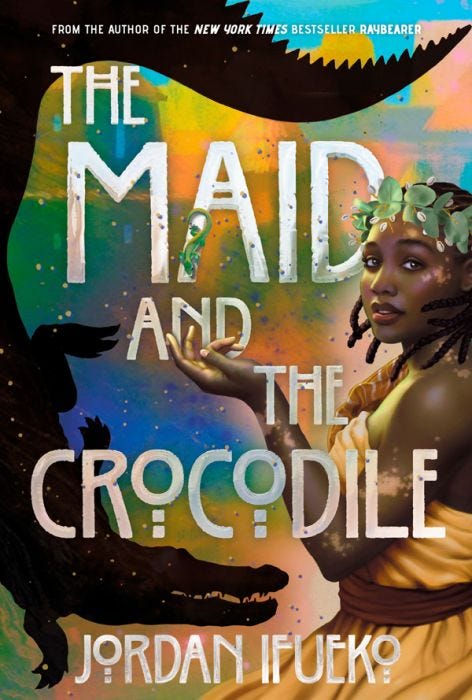
On her seventeenth birthday, Small Sade ages out of her orphanage and meets a god. Sade insists that she’s insignificant but can’t help standing out. She relies on a cane after an industrial accident damaged her foot, her vitiligo is described as ‘having worlds on [her] skin’, and she’s a Curse-Eater. Through her connection with The Crocodile God, she learns how to take up space and demand justice for vulnerable people, including herself. In turn, she teaches Crocodile how to live, not just exist.
Ifuko weaves songs throughout the story, which makes the audiobook shine.1 Oluwan City is rich with voices: merchants sing to attract customers and protesters chant against the nobility’s attempt to turn a public park into a private space in the name of ‘order and beauty’. Sound familiar?
The first thing that Sade teaches Crocodile is how to make pepper stew. However, the story doesn’t describe the dish, so I researched further. Obe ata (Pepper sauce) is a foundational Yoruba sauce used as a dip, a stew base, or even to build other sauces2.
I am not Nigerian, and I had never tried to cook Nigerian food, so it was important to use an authentic recipe written by a Nigerian chef. Chef Lola’s recipe for Ata dindin (Nigerian pepper sauce) included indigenous ingredients I was excited to learn about: palm oil, crayfish powder, and locust beans. To respect her and the culinary culture, I followed her method exactly.
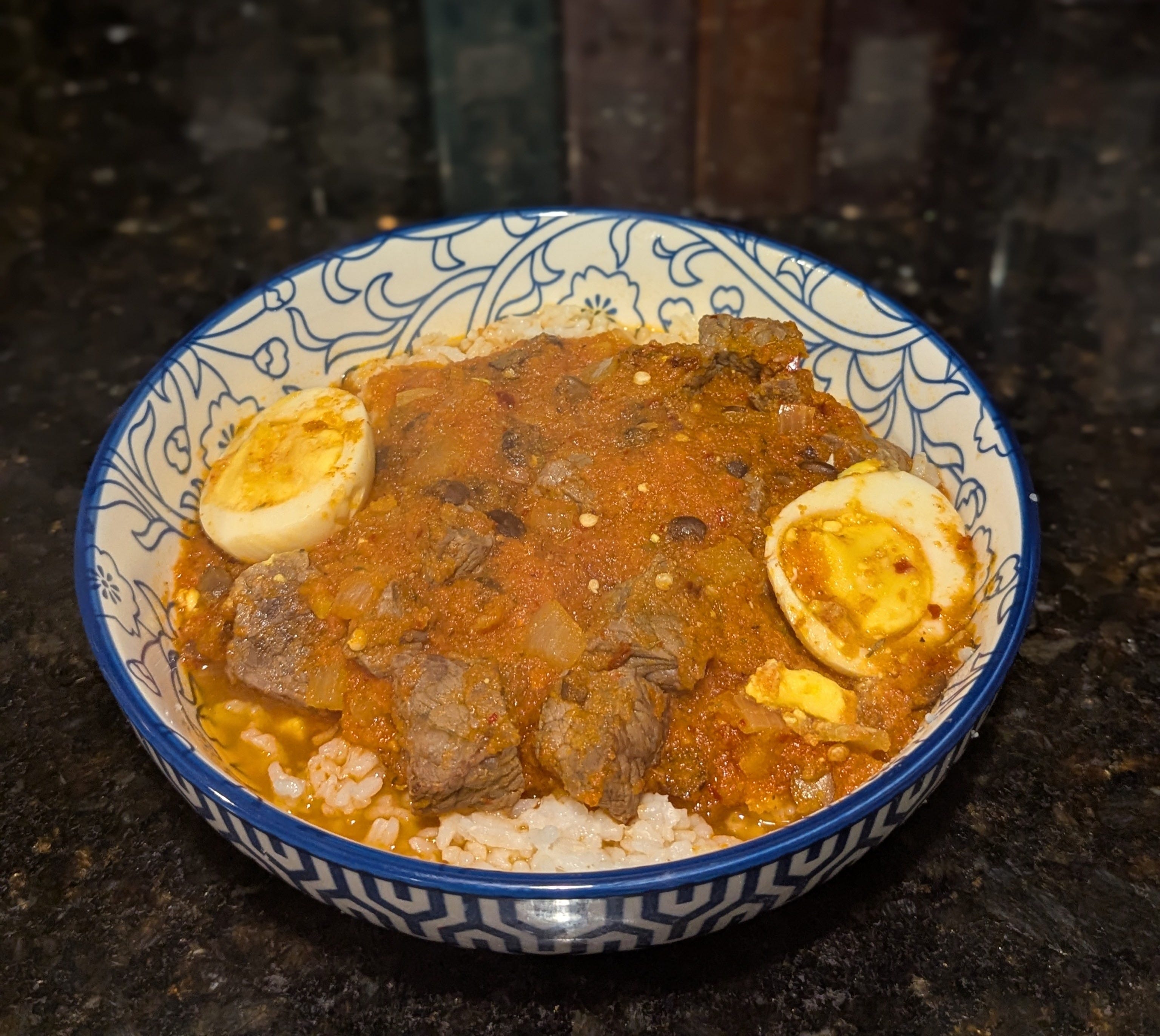
The first taste of pepper stew is strong: vibrant red, pungent with locust beans, and numbingly spicy. Then, a smokiness sneaks in to harmonize the taste.
My Takes
I tried to tone down the heat using Aleppo pepper rather than habanero, but it was still past my tolerance. I’d never challenge a Nigerian in a Hot Ones contest.
The locust beans were too pungent for me and challenging to get, so I plan to use black beans in the future.
It’s called a stew, but this dish cooks fast, so use lean and tender cuts of meat. The stew beef didn’t have time to get tender.
The Maid and The Crocodile celebrates the beauty of diverse people coming together and learning from one another. But Ifuko reminds readers, equity and justice don’t just happen; they need to be fought for. Together, small and brave people change the world.
Listening to audiobooks is reading. Don’t gatekeep reading by format.
Like a roux as a base for gravy.