
Three Small Things
Skip Resolutions & Make Life Easier

I don’t do New Year’s resolutions. Setting big goals to make life better doesn’t work for me (or most people). Life gets too hectic, and that goal takes a back seat to getting through the year. Instead, I do three small things to make my life easier. They aren’t monumental. They don’t take much time or effort. But making small daily things easier helps Future Ashley throughout the year, and that’s worth it.
Make Your Systems Work for You
When I sign up for a service, I usually don’t dig into all the associated benefits. I set it and forget it. On January 1, I reviewed my bank account and found a free savings booster that I hadn’t activated. Now, my checking account automatically transfers small, unallocated amounts to my savings weekly. I set up new rules in Rocket Money to automatically tag my business subscriptions as tax-deductible, which will save headaches at tax time.
Get that Helpful Tool; It’s Not Frivolous
I’ve talked about how the right kitchen tool makes cooking more accessible. Apply that across your life. It doesn’t need to be an expensive gadget. Orion’s new hands-free leash ($45) loops across my chest so I can walk him when I need my cane or my clothes don’t have pockets. A mini trash can ($15 for 2) on my nightstand keeps me from risking a POTS episode picking up wrappers off the floor.
He’s a model.
Spark Joy
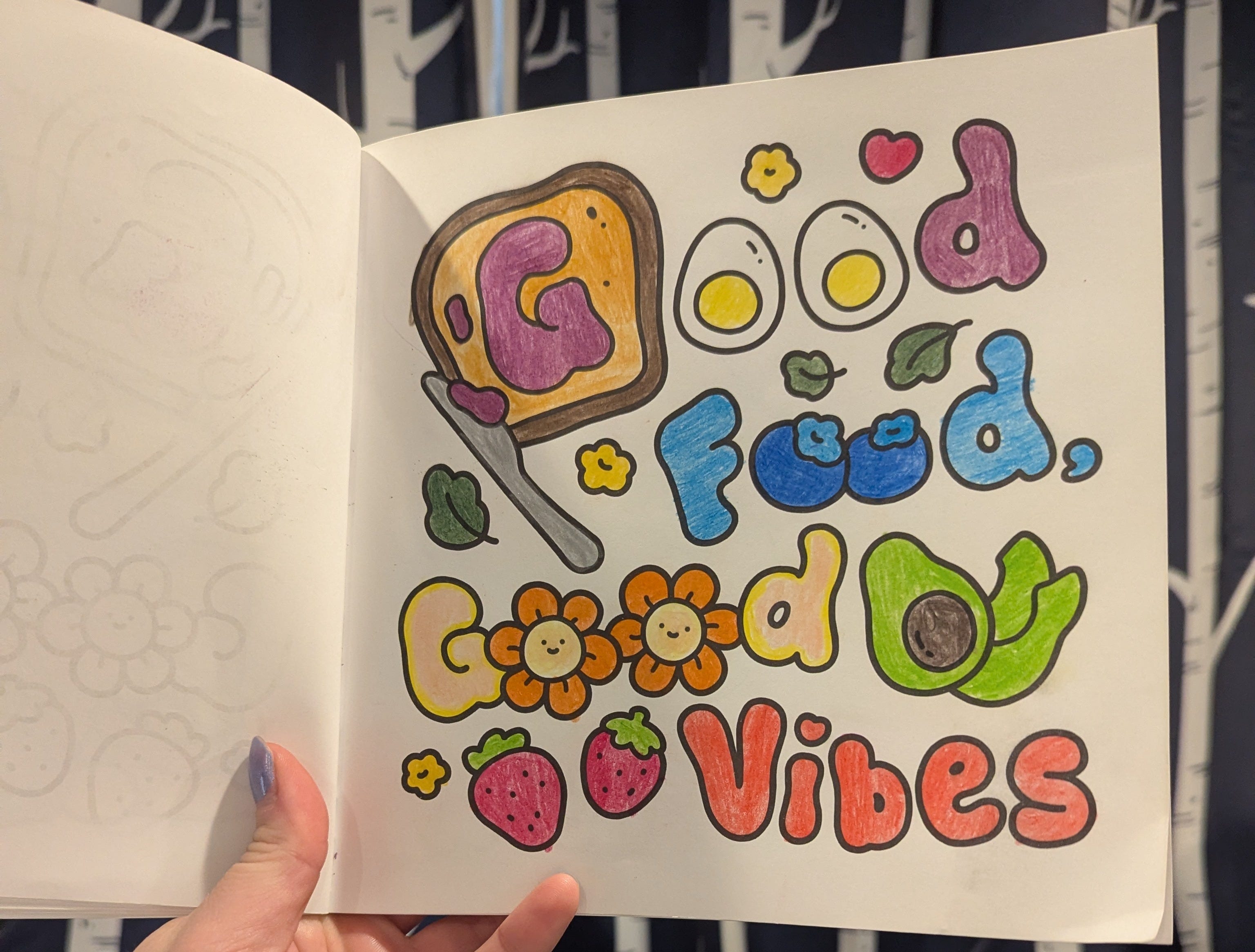
Make space to reclaim child-like wonder and joy. As the year trudges on, it’s easy to forget the little things that make you happy. I’ve been having more brain fog: my brain is too awake to sleep, but not clear enough to do much else. I had tried adult coloring books, but the designs were too intricate, and my hands would cramp. Over the holidays, I spotted Coco Wyo’s Cozy Vibes coloring book in the kids’ art section of Michaels. I was a little embarrassed picking a kids’ book, but once I started coloring, I was fully immersed in the fun. I’ve colored every day since! It’s been meditative, soothing, and full of joy.
Getting tools and systems to work for you is a great goal. I've sometimes heard it referred to as the 'ADHD Tax,' though you could substitute in any label/diagnosis or trait. Essentially, the idea is recognizing that sometimes it is worth paying a higher price (economically, ecologically, socially) to access a specific benefit.
Normally I hear (and personally apply) this to pre-cut vegetables. Yeah, a whole head of cabbage is cheaper, but I'm not going to get my money's worth if I let it rot because chopping is too much of a hurdle. If I pay the Executive Function Tax (higher unit cost, and more wasted plastic), I'll be getting something I'll actually use.
I have more to say about the spectrum of food-prep-effort and how we assign moral value, but it is too much for a comment section!
Thanks for the great advice!